
Potassium diformate mainly plays a role in fish farming by regulating the intestinal environment, inhibiting pathogenic bacteria, improving digestion and absorption, and enhancing stress resistance. Its specific effects include reducing intestinal pH, enhancing digestive enzyme activity, reducing disease incidence, and improving feed utilization.
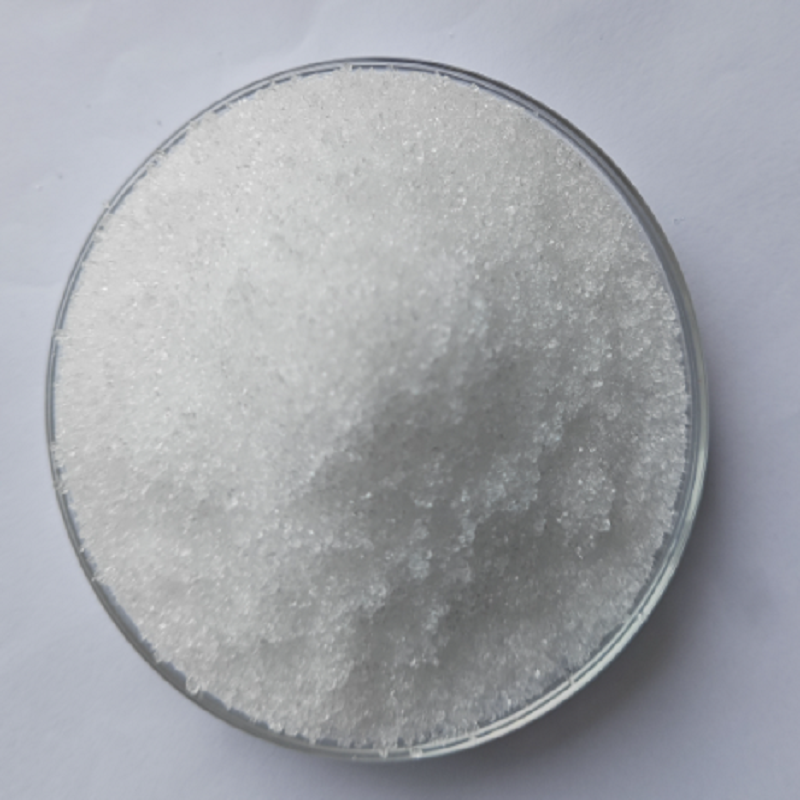
It is suitable for a variety of fish species, including the following common types:
Tilapia: including Nile tilapia, red tilapia, etc.
Research has shown that adding 0.2% -0.3% potassium diformate to feed can significantly increase the body weight gain and specific growth rate of tilapia, reduce feed conversion rate, and enhance its resistance to pathogenic bacteria such as Pseudomonas aeruginosa.
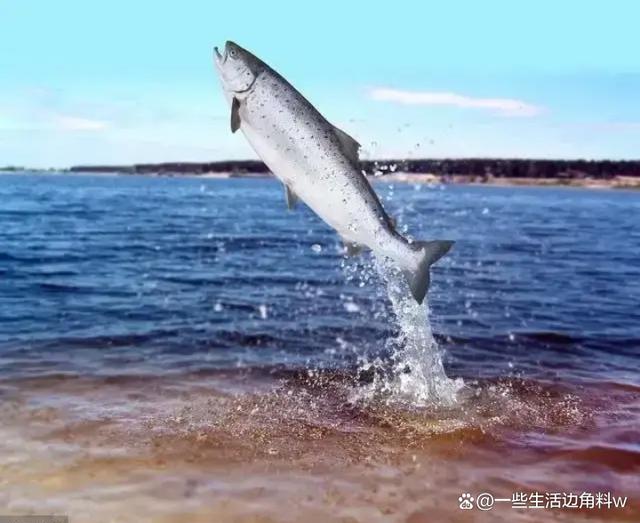
Rainbow trout: Adding potassium diformate to the feed of rainbow trout fry, especially when combined with lactobacillus additives, can significantly increase body weight gain, specific growth rate, and digestive enzyme activity, improve growth performance and physiological indicators.
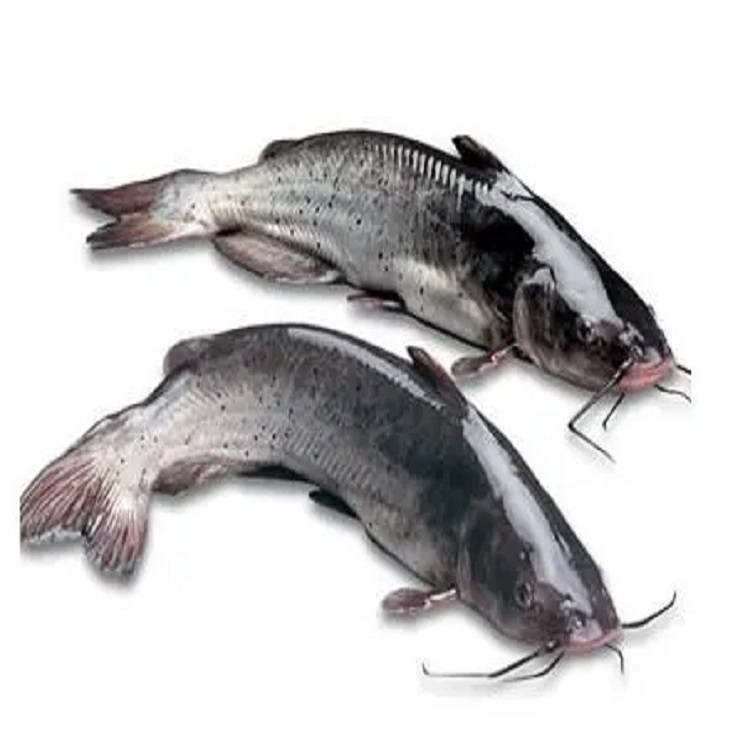
African catfish: Adding 0.9% potassium diformate to the diet can improve the hematological characteristics of African catfish, such as increasing hemoglobin levels, which is beneficial for fish health.
Egg shaped pomfret: Potassium dicarboxylate can significantly improve the growth parameters of egg shaped pomfret juveniles, including weight gain rate, specific growth rate, and feed efficiency. The recommended addition amount is 6.58g/kg.
Sturgeon: such as sturgeon, potassium diformate can improve the growth performance of sturgeon, enhance the activity of immunoglobulin and lysozyme in serum and skin mucus, and improve intestinal tissue morphology. The optimal addition range is 8.48-8.83g/kg.
Post time: Jan-08-2026


